
8 Ways to Create the Ultimate Learning Environment at Home
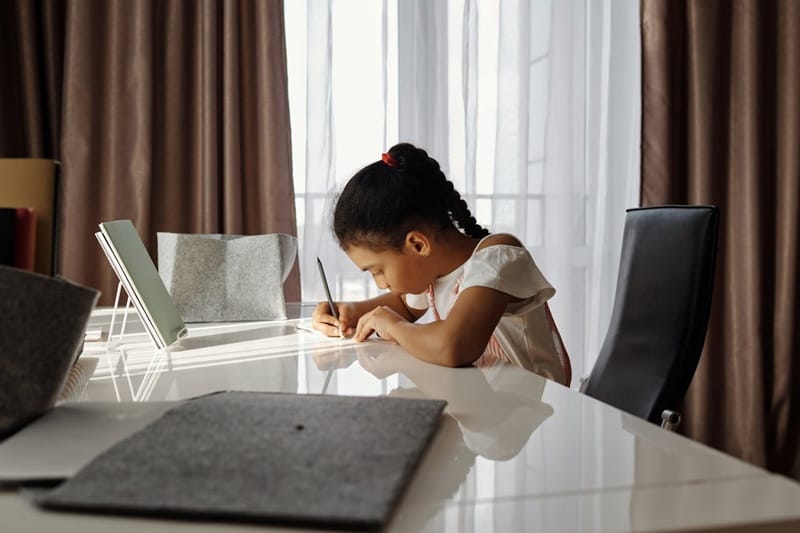
A well-structured learning environment at home can make all the difference in keeping children engaged and motivated. Whether your child is homeschooling, doing homework, or simply exploring new subjects, the right environment fosters focus and creativity.
Here are some practical tips to create an effective and engaging learning environment at home.
1. Set Up a Dedicated Learning Area
Having a designated space for learning helps children associate that area with focus and productivity. Choose a quiet, clutter-free spot with good lighting. Whether it’s a separate room or a corner of the living room, ensure it has a comfortable chair, a sturdy desk, and all necessary materials within reach.
2. Use Educational Posters and Visual Aids
Visual learning is powerful, especially for younger children. Displaying posters, maps, or charts can reinforce key concepts in subjects like math, science, and language arts. Bulletin board sets with interactive elements, such as timelines or vocabulary words, help make learning dynamic and engaging.
3. Keep Supplies Organised
An organised space reduces distractions and keeps learning sessions efficient. Use storage bins, shelves, and labeled containers to store books, worksheets, art supplies, and manipulatives. Having a system in place also teaches children responsibility and time management as they learn to maintain their workspace.
4. Encourage Hands-On Learning
Hands-on activities make learning fun and memorable. Incorporate interactive tools like flashcards, workbooks, and learning games that reinforce lessons through play. For science and math, manipulatives such as fraction tiles, geometric shapes, or experiment kits can help children grasp abstract concepts more easily.
5. Create a Reward and Motivation System
Positive reinforcement is a great way to keep children motivated. Reward charts, stickers, and certificates can encourage goal-setting and celebrate progress. Consider a small “achievement wall” where children can proudly display their work, fostering confidence and a sense of accomplishment.
6. Incorporate a Flexible Learning Schedule
Structure is important, but flexibility is key to keeping children engaged. A well-planned daily schedule can include a mix of study time, creative activities, and breaks. Using planners or dry-erase boards to outline daily tasks can help children stay on track while allowing for adjustments based on their needs.
7. Make Learning Interactive and Fun
A learning space should inspire curiosity and excitement. Incorporate age-appropriate puzzles, educational games, and storytelling elements into lessons. Rotating educational materials periodically can also keep things fresh and engaging for children.
8. Foster a Comfortable and Inspiring Atmosphere
The physical environment matters. Natural light, comfortable seating, and minimal distractions contribute to a positive learning experience. Adding personal touches, such as motivational quotes or a cosy reading nook, can further enhance the space.
By thoughtfully organising a dedicated learning area and incorporating engaging educational tools, learning at home can be both productive and enjoyable.
The Benefits of a Thoughtful Learning Environment
Creating an organised and engaging learning environment at home has long-term benefits. Children develop better focus, independence, and a love for learning when their environment is conducive to education. A well-prepared space also helps parents stay involved and provide the support children need to succeed academically.
Overcoming Common Challenges
Some parents may worry about space limitations or the cost of setting up a dedicated learning area. However, a functional learning space doesn’t require a full room or expensive materials. Simple adjustments, such as using a foldable desk, repurposing household items for storage, and utilising free or budget-friendly educational resources, can be just as effective.
Recommended Setup
Parents often find that a comfortable study setup helps children focus longer. Here are some recommended study essentials:
Ergonomic Kids Study Table
Adjustable Study Lamp Desk
Desktop Organiser
Magnetic Whiteboard
4-in-1 Pomodoro Timer Cube (Countdown + Pomodoro + Alarm + Stopwatch)

Community Ambassador; as someone who was raised in a rather privileged family, I hope to address the inequity in educational outcomes based on the circumstance of birth. Bounced around between Australia and Singapore a fair bit.