
The Expectant Father: The Ultimate Guide for Dads-to-Be
Pregnancy is often painted as a women’s journey. But for many dads, it’s equally transformative, profoundly emotional, and sometimes bewilderingly unfamiliar territory. The Expectant Father by Armin A. Brott and Jennifer Ash strides confidently into this space, offering a monthly guide that helps men feel connected, informed, and indeed, involved every step of the way.
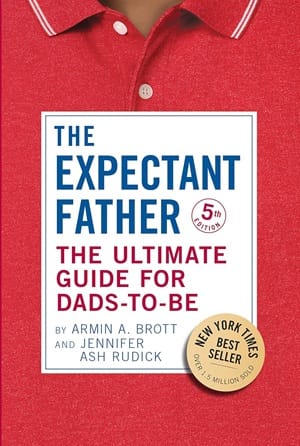
Right from the start, the book introduces a welcome structure: each chapter corresponds to a month of pregnancy, giving readers a clear rhythm. Inside each, three vital facets are addressed:
- What’s going on with your partner: physically, emotionally, hormonally.
- What’s happening with the baby, including key milestones and development.
- Your own experience as a dad-to-be.
This triadic approach underlines a key insight: pregnancy isn’t just an event; it’s a shared journey. Fathers aren’t side-lined observers; they are vital participants, with their own emotional arcs, anxieties, and questions to process.
One of the standout aspects of the book is its empathetic tone. Brott and Ash speak directly to fathers without judgment or fluff. Men are guided through self-questioning, “Am I ready to be a dad?”, with compassion, not scolding or bravado. Pregnancy becomes a place not of fear, but of possibility for connection, for learning, for growing into a role many were taught was secondary by default.
This voice resonates with fathers from past generations who were expected to “stand by” rather than delve in. Readers gain permission to feel, to care, and to act, both emotionally and practically.
This isn’t a fluffy promise of fatherhood bliss. Instead, each chapter offers concrete ways to support partner and baby. Fathers learn how to accompany appointments, contribute to nursery setup, and even bond prenatally. The book brings meaning to often-overlooked actions, like going on a beach walk together, or simply being present during a late-night feed.
This guidance empowers expectant fathers to take ownership of their role. Rather than waiting to be told, they learn how to step in confidently, early.
Beyond biology, The Expectant Father covers money, sex, and mental load. It provides clarity on financial planning, preparing for childbirth, and juggling career and family demands, a trio of concerns common to parents in Asia navigating similar cultural and financial expectations. The narration is gentle but thorough, reinforced by illustrations and expert input. Obstetricians, psychologists, and sociologists weigh in, lending both depth and credibility to the book.
In the Asian context, where paternal roles have long been culturally defined, this book is both revolutionary and reassuring. It invites fathers to engage emotionally and practically—showing that connection isn’t just for mothers but for the whole growing family.
Tip: Pair this read with a prenatal checklist for new dads, and perhaps a quiet evening of conversation between partners about hopes, fears, and roles ahead. This will be the perfect recipe for shared beginnings.

Our aim is to help our children discover their talents, realise their full potential, and develop a passion for life-long learning.